Nothing
stays
still.
A moving clock, an uncertain image, and the useful things that happen when we loosen our grip.
Read the essay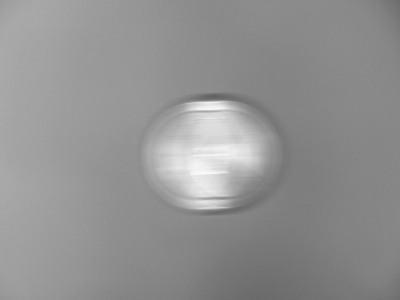
A journal for the longer look. About ordinary things, unexpected connections, and the pleasure of a different point of view.
Start anywhere
Read across.Think down.
A moving clock, an uncertain image, and the useful things that happen when we loosen our grip.
Read the essay
Small stones. Sharp edges. An entire landscape, waiting in the things we walk past.
Read the essay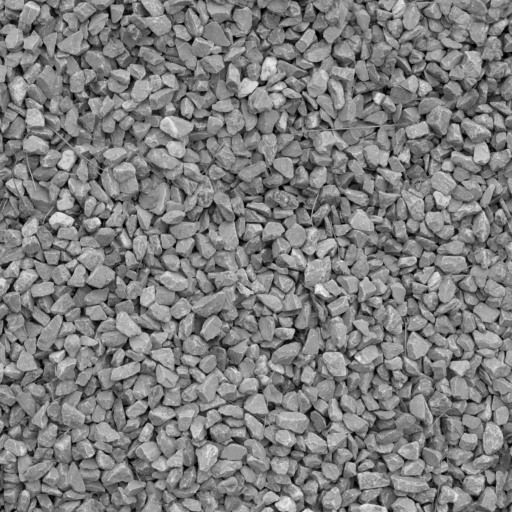
An enormous distance in a small frame. Looking beyond the edge of the everyday.
Read the essay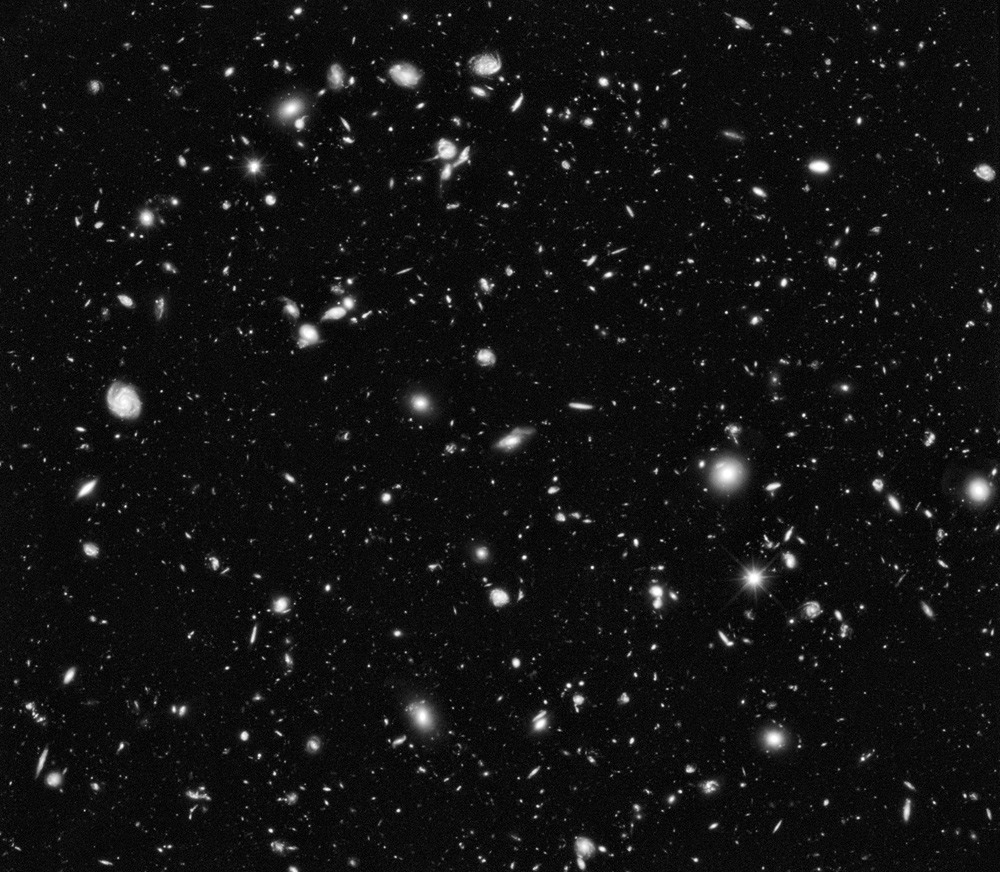
Six ways of paying attention.
Read one from top to bottom, or let your eye wander between them.
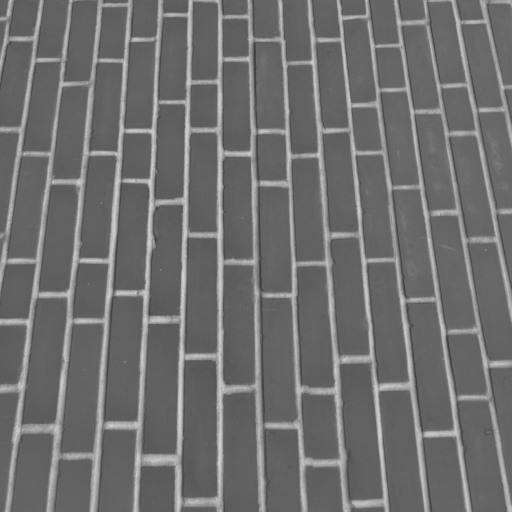
There is a wall on the walk home that never quite looks the same. The bricks have not moved. The route has not changed. But the low light catches a different edge each evening, and the familiar surface becomes a new arrangement.
Repetition is often described as the opposite of surprise. Look closely and the opposite begins to seem true. A repeated form gives the eye a rhythm. Once that rhythm is established, the smallest difference becomes visible: a chipped corner, a shallow joint, a patch of colour that refuses to match.
The rhythm is what lets the difference appear.
The same is true of a page. A repeated margin makes a departure meaningful. A steady type size gives an unexpected word somewhere to land. Consistency is not a demand for sameness; it is a way of making room for the particular.
We tend to photograph the exceptional building and walk past the ordinary wall. Yet the wall carries more of the day. It holds the route together. It gives the weather a surface and the late afternoon a place to be seen.
Try taking the same photograph tomorrow. Stand in the same place. Keep the edges of the frame as close as you can. Then put the two images beside each other. You may discover that a small difference, given enough attention, is quite a large event.
A handful of gravel is difficult to describe without reaching for the word ordinary. It is loose, grey, small. It belongs underfoot. Nothing about it asks us to stop. And then the frame moves closer.
At this distance there is no single surface. Each stone makes its own small geography. A sharp edge leans into a hollow. A smooth face catches the light while its neighbour disappears into shade. The ground turns into a collection of decisions that nobody made.
A surface is a history you can touch.
Texture is not decoration added to a thing. It is a record of how the thing came to be. Pressure, friction, weather, handling: the surface keeps a little of each. Even a polished object retains the idea of the hand that polished it.
In a world of perfect previews, it is easy to mistake smoothness for completion. But a little resistance can be useful. Grain gives the eye something to return to. It slows the reading of an image without telling us to slow down.
Choose an object that you have stopped noticing. Place it by a window. Move close enough that its usual purpose falls out of the picture. For a moment, let a familiar thing become only a surface. That may be enough to begin again.
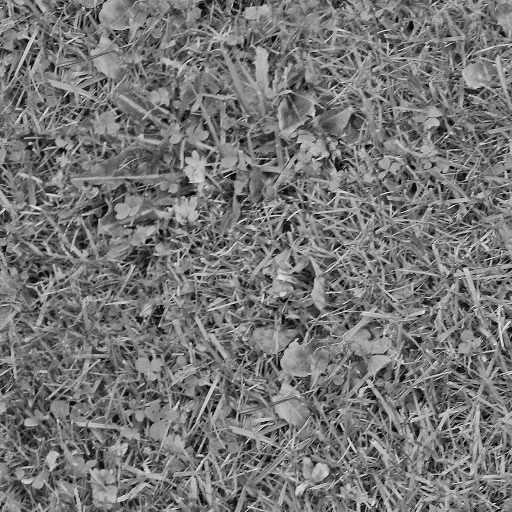
The neatest part of a garden is not always the most interesting. Sometimes it is the little patch at the edge, the place the mower missed, where several ideas seem to be happening at once.
There is no obvious centre here. A blade of grass crosses another. A leaf opens towards a gap. Thin stems find their way between broader shapes. What looks untidy from a distance becomes, up close, a surprisingly precise arrangement of opportunities.
Not empty. Available.
We often make a plan by deciding what to remove. Clear the desk. Simplify the sentence. Reduce the choices. These can be good instincts, but they are not the only ones. Sometimes a plan improves when it leaves an undecided place at its edge.
A useful kind of space is not empty. It is available. It allows the next person, the next thought, or the next season to bring something that could not have been specified in advance. It belongs to a future we have not met yet.
Leave a corner of your notebook without a heading. Take a walk without assigning it a purpose. Let one part of the day remain unaccounted for. Not every loose end needs to be tied up. Some of them are the beginning of something.
A photograph usually promises to hold something still. This one does not. The clock softens at its edges; its face slips sideways. We can recognise the object, but the exact time has become less certain.
It is a useful failure. The picture is no longer simply an answer to a question. It becomes a record of movement: the camera, the hand, the instant in which looking was not quite separate from doing. Something happened while the image was being made.
Not every moment needs a sharp edge.
There is a difference between a precise record and a complete one. A clean result may describe the object perfectly while leaving out everything about the encounter. A blurred image can keep the hesitation, the speed, the fact of being there.
This is not an argument against care. It is an argument for allowing care to have more than one appearance. Some things need exact edges. Others need the soft evidence of a human attempt. The important question is what the work is trying to hold.
Keep one photograph you would normally delete. Look at it without trying to repair it. What is present because it is imperfect? A rhythm, perhaps. A small uncertainty. A feeling that the sharper image somehow missed.
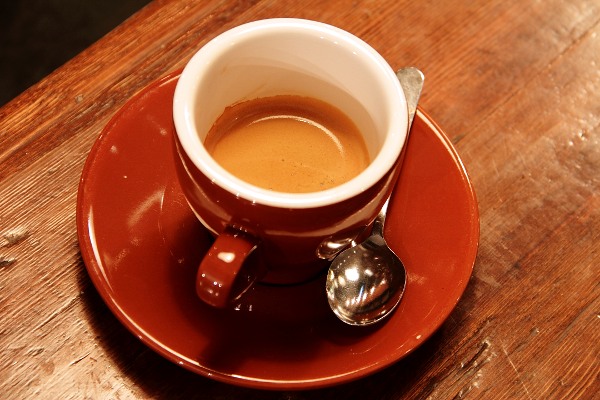
The first cup of the day is rarely just a drink. There is the weight of the cup, the sound of it meeting the table, the small interval before the next thing begins. A few ordinary actions make a place in time.
A ritual does not have to be elaborate. It can be the way a book is opened, a chair is turned towards the window, or a familiar route is taken at a particular hour. Repeated gestures give a loose day a shape that a schedule cannot quite provide.
Familiar is not the same as invisible.
Notice how many of these gestures involve objects. The useful things around us are also companions to our habits. We know where their weight sits. We know the part that fits the hand. Their value lives somewhere between what they do and how it feels to use them.
Newness is easy to show in a photograph. Familiarity is harder. It arrives slowly, through a sequence of unremarkable meetings. The cup becomes your cup not when you buy it, but when you stop thinking about how to hold it.
This morning, give a familiar gesture an extra moment. Let it be what it is, without turning it into a task. There is no need to improve everything. Some things deserve simply to be noticed, and then enjoyed.
A field of distant light can resemble dust on a dark table. The eye finds bright points, little smudges, unexpected colours. Without a caption, scale becomes a question rather than an answer.
That uncertainty is part of the pleasure of looking. An image is not the thing itself. It is a meeting between the thing and a frame. Change the frame, and a small subject can feel immense; give an immense subject a small frame, and it becomes something we can hold.
A small frame can hold a very long way.
Distance is not only a measurement. It is also an experience. A memory can feel close while the room in front of us seems far away. A single image can bring a remote place into the ordinary sequence of an afternoon.
The task of a page is not to remove this complexity. It is to give it a useful place. Large type can make a quiet idea impossible to miss. A small photograph can ask for more attention than a picture that fills the screen. Size and significance do not always agree.
Look at this image, then at the space around it. The frame does not contain everything the picture suggests. Neither does this sentence. There is always something beyond the edge, and that is a good reason to keep looking.
The world isn’t short of interesting things.
Only our attention.
Not everything needs to become something else. Sometimes a change of pace, a different frame, or an extra minute is enough.
Look closely. Move sideways. Return to something you thought you knew. There is usually more there than you remember.